

An unlikely friendship between two remarkable countries.
On opposite sides of Europe — one on the Adriatic coast, one in the North Atlantic — Croatia and Iceland have more in common than geography would suggest. This is the story of a connection that keeps deepening.
Sports
Rivals on the court, kindred spirits everywhere else.
Handball is where Croatia and Iceland meet most fiercely — and most respectfully. Both nations punch far above their weight in a sport dominated by larger countries. Croatia won Olympic gold in 1996 and has been a fixture at the top of world handball for three decades. Iceland, with a fraction of the population, produced a generation of players who reached the top European club level and repeatedly stunned larger nations at major tournaments. The bond runs deep enough that Icelandic handball legend Dagur Sigurðsson now coaches the Croatian national team — and has already led them to medals on the world stage.
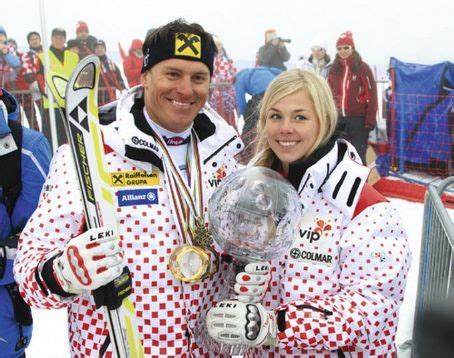
In alpine skiing, both nations have produced world-class athletes who have competed at the highest level — a remarkable feat for countries whose geography and climate could not be more different. The connection runs personal, too: Croatian skiing legend Ivica Kostelić married Icelandic skier Elín Arnarsdóttir, weaving the two countries' skiing traditions into a single family.

History
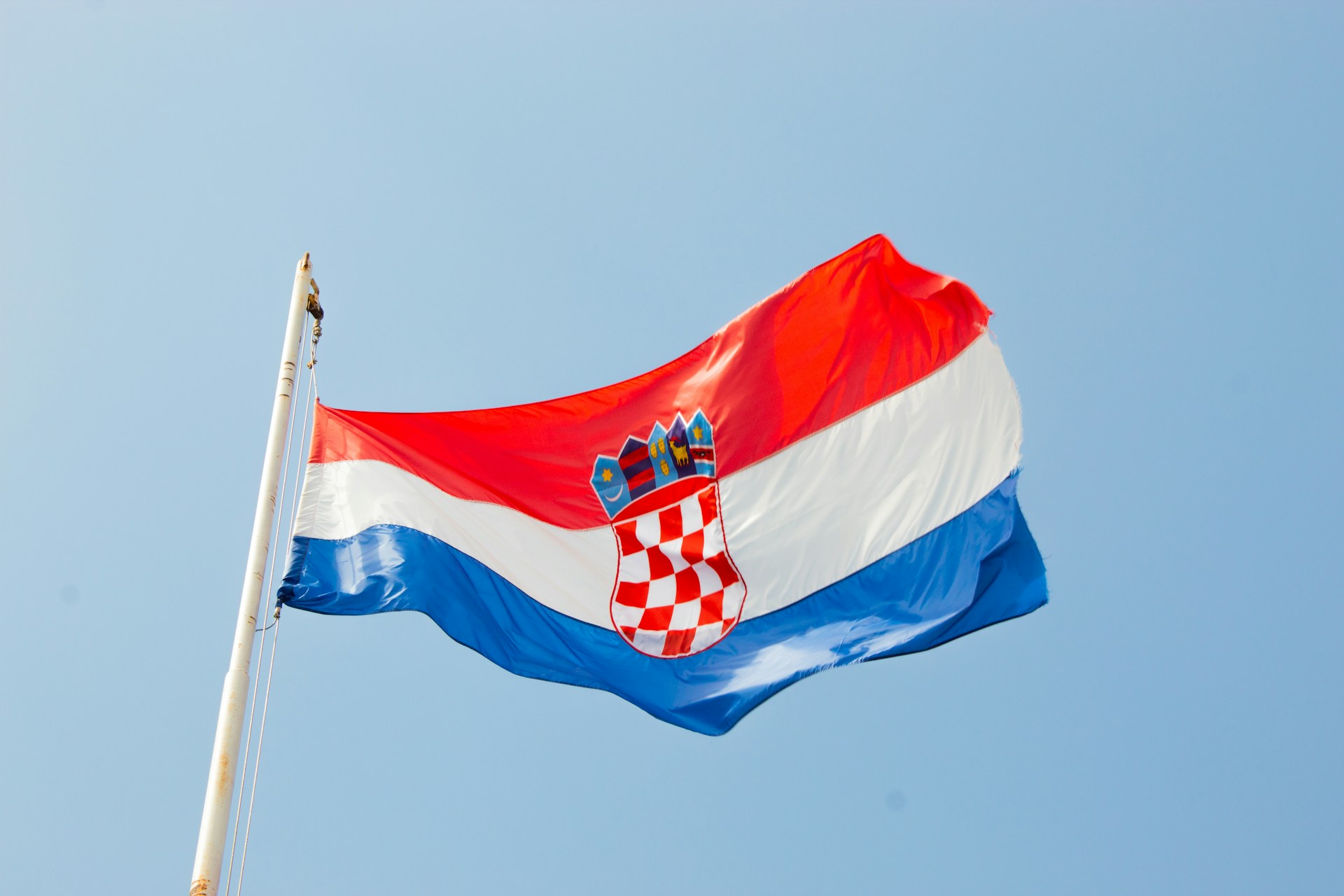
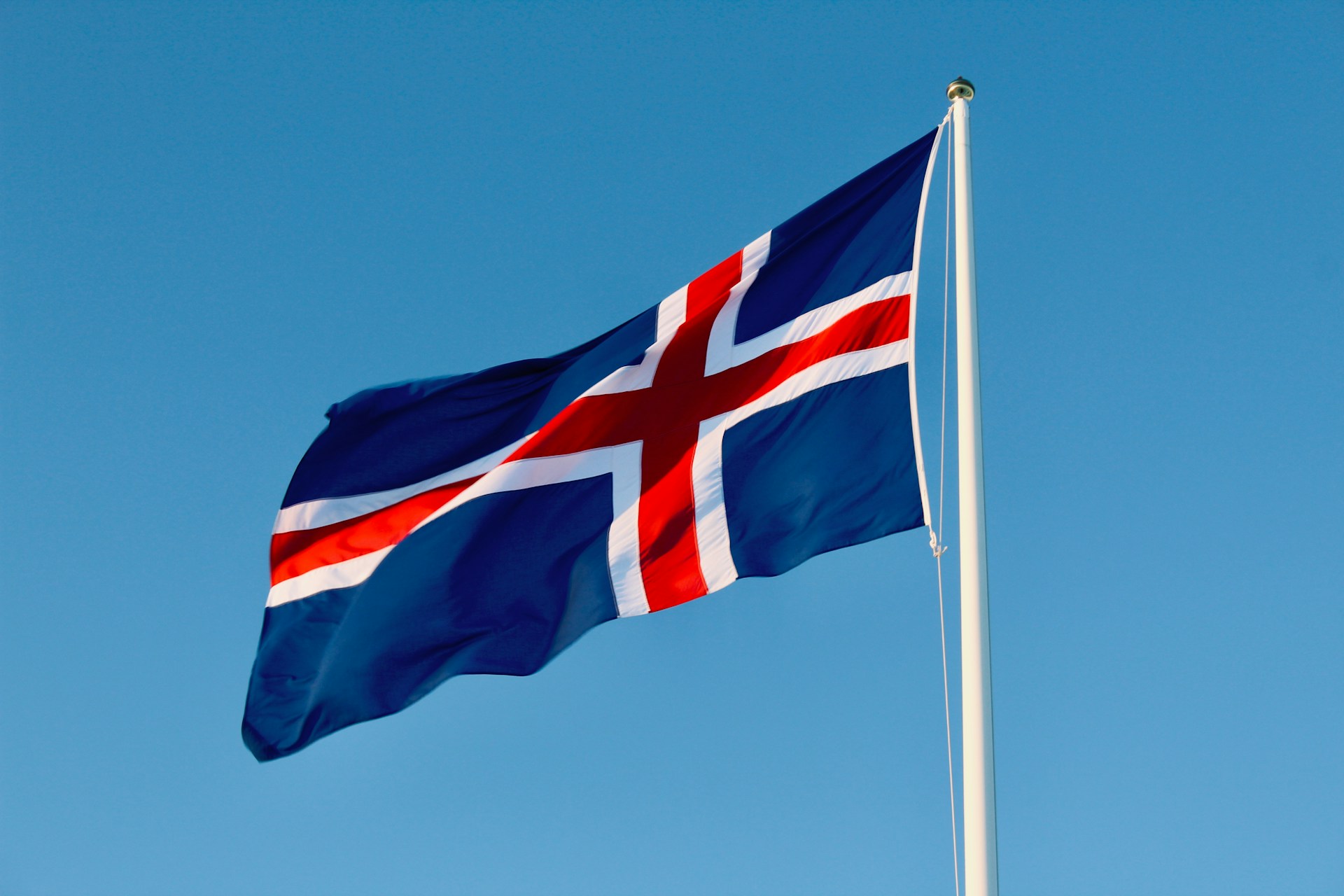
Iceland was the first country to recognise Croatian independence.
On 19 December 1991, Iceland became the first country in the world to formally recognise Croatia as an independent state — doing so before the European Community, before the United Nations, and before almost anyone else was paying attention.
It was a small nation choosing a principled position before it was safe or strategic to do so. Croatia was in the middle of a war for its independence. The international community was hesitant. Iceland was not.
That gesture has never been forgotten. It sits at the foundation of a relationship between two nations that have had little reason to interact — and yet have always seemed to understand each other. Small countries that fought to define themselves on their own terms tend to recognise that quality in others.
Pop culture
Westeros was partly built in Dubrovnik. The rest was shot in Iceland.
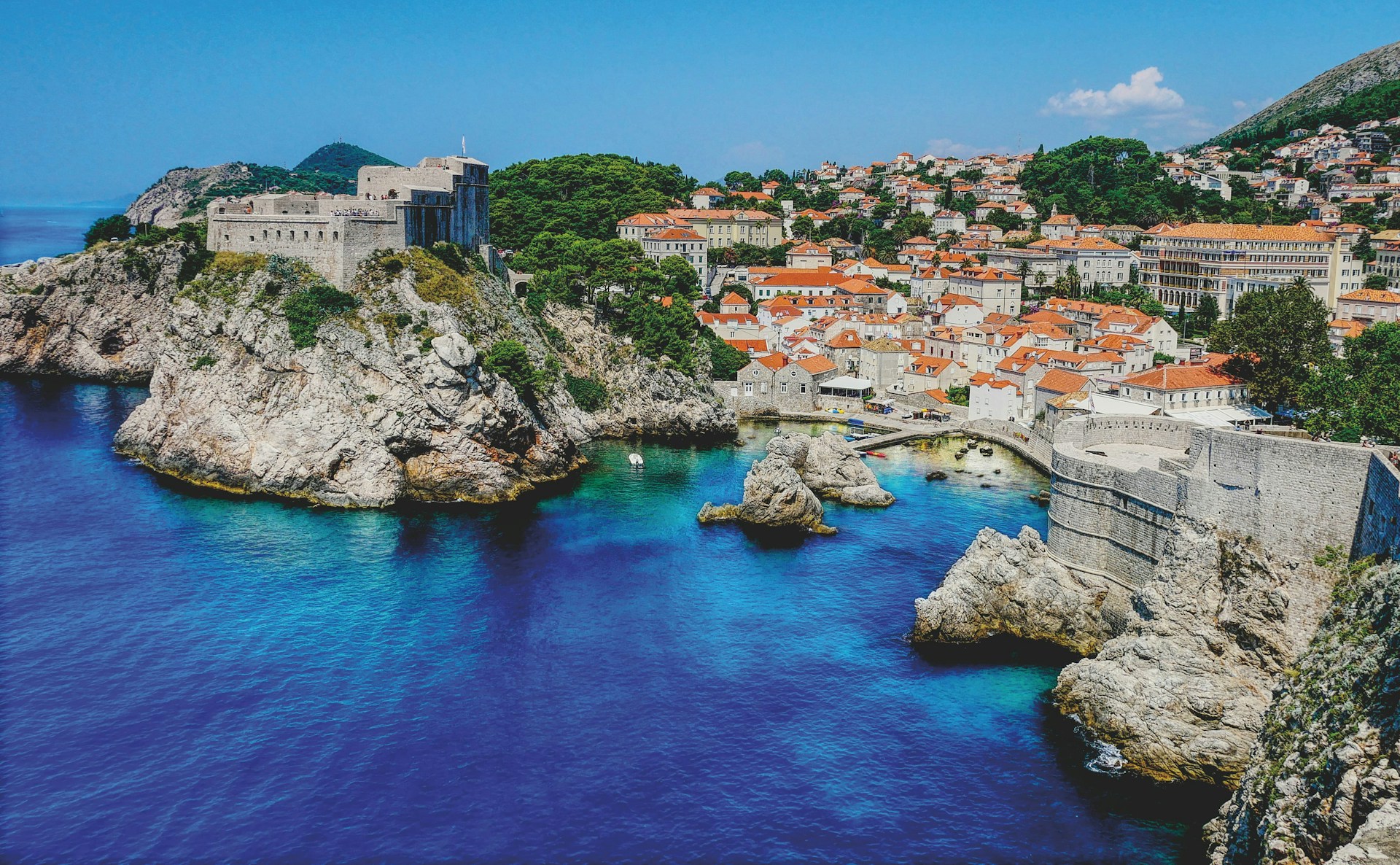
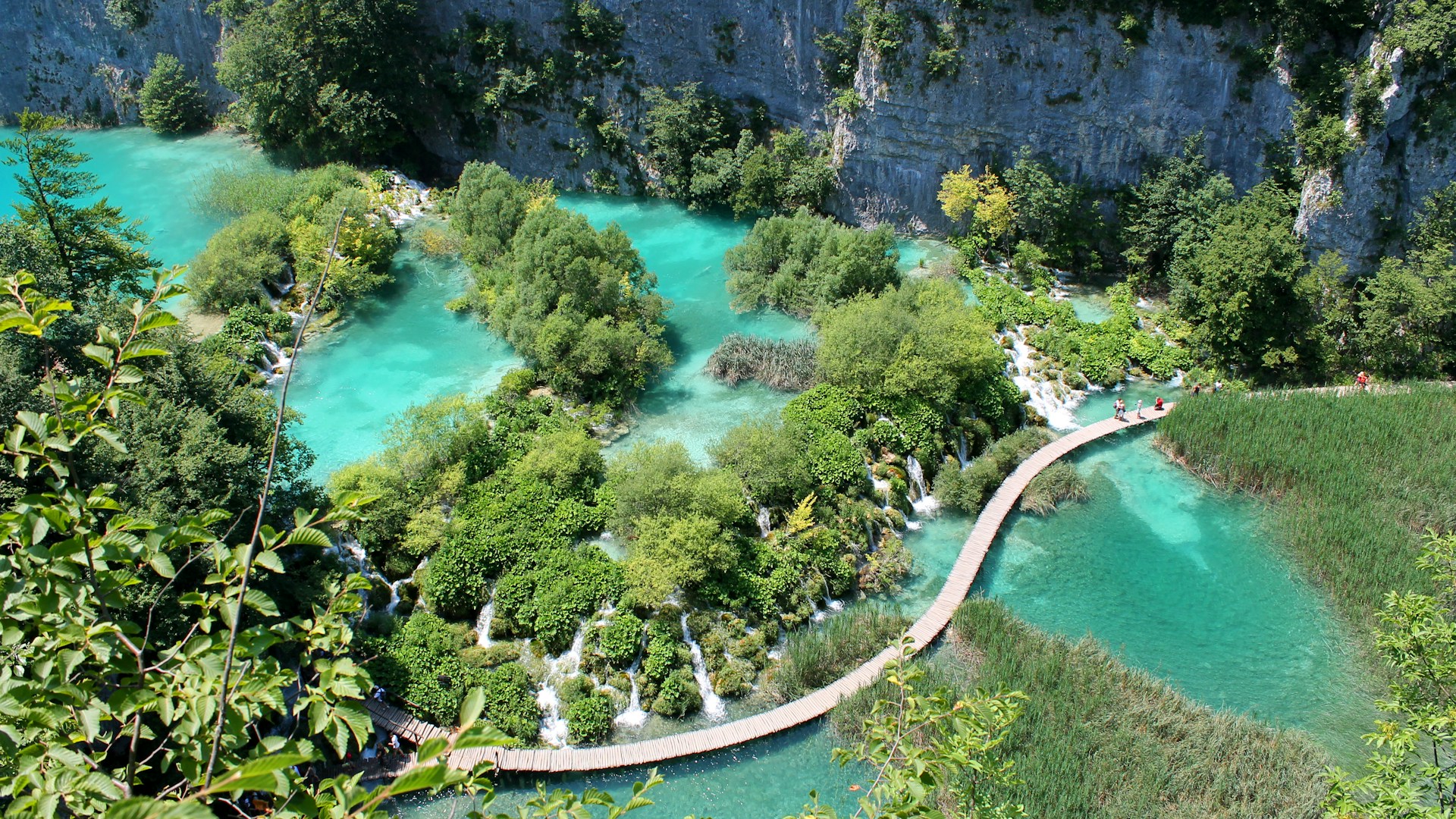
Game of Thrones is the unlikely thread that ties Croatian and Icelandic landscapes together in the global imagination. Dubrovnik's Old City became King's Landing — its walls, its steps, its harbour appearing in hundreds of scenes across eight seasons. The Croatian coast, with its medieval stone and Adriatic light, became the visual shorthand for southern Westeros.
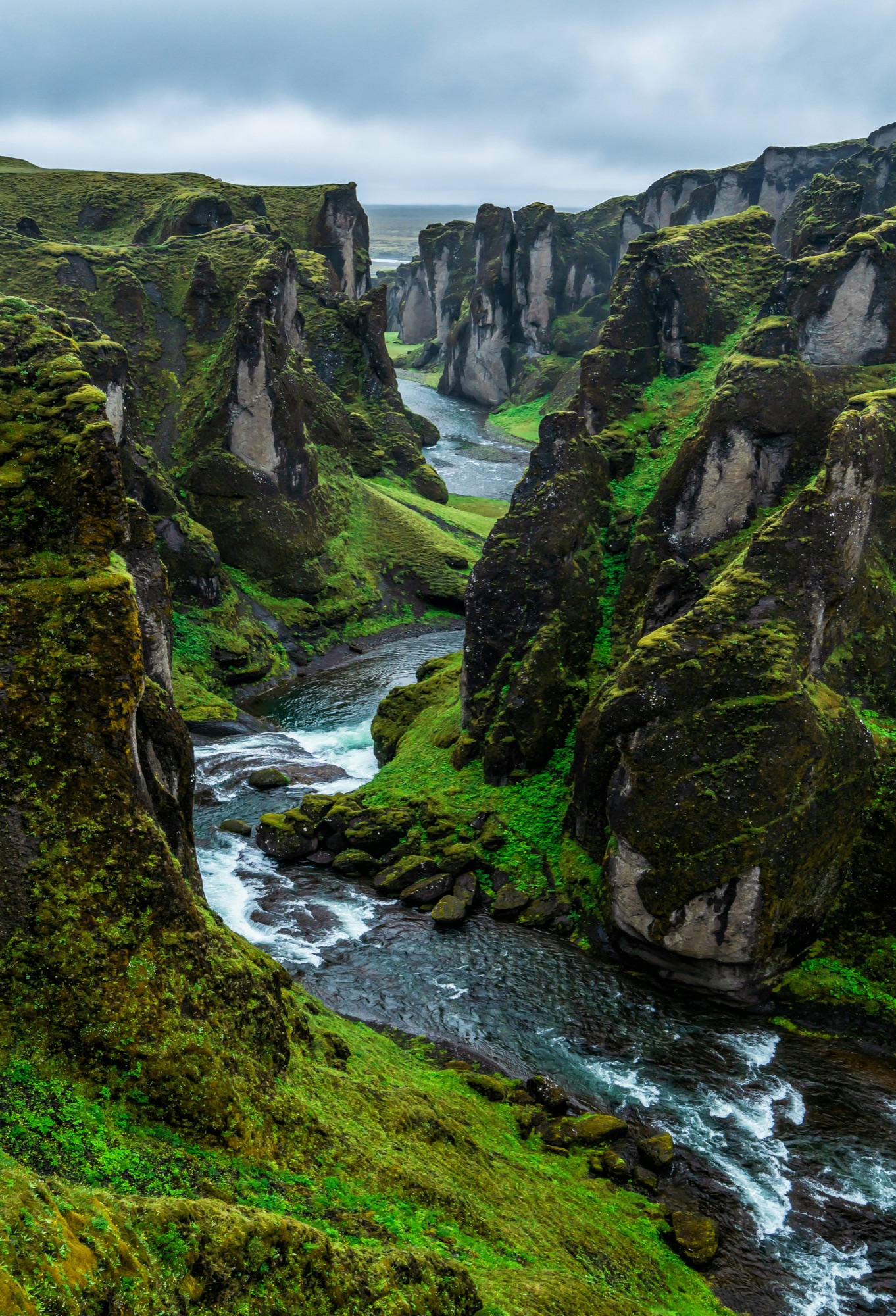
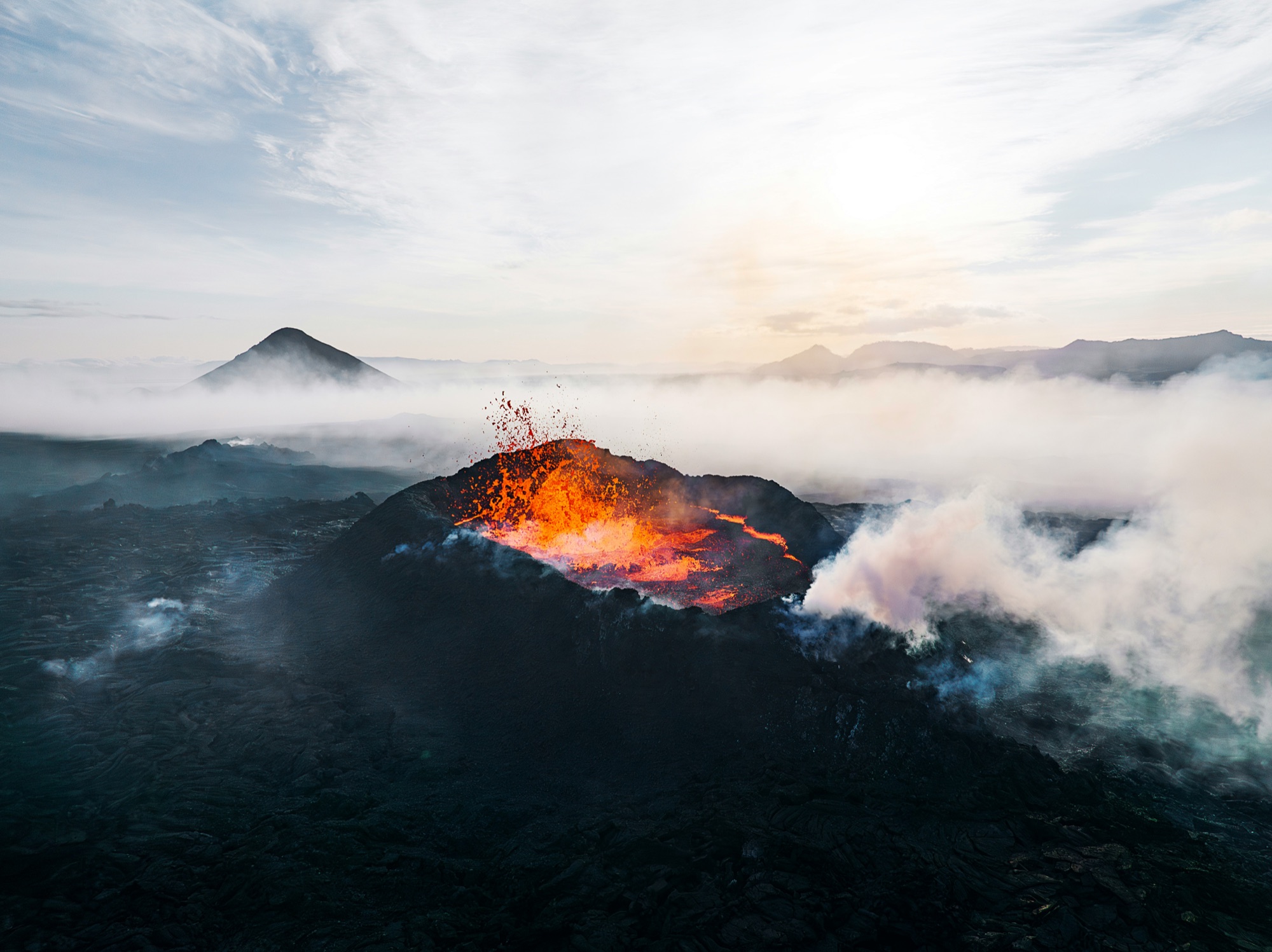
Iceland, meanwhile, became everything north of the Wall. The country's volcanic plains, glaciers, geysers, and lava fields stood in for the frozen expanse beyond civilisation — a landscape so alien and so dramatic it required no set dressing. The same country that looks like the end of the world also happens to be one of the most liveable places on earth.
Millions of viewers absorbed the landscapes of both countries without knowing it. The tourism that followed was not incidental. Both Croatia and Iceland became destinations for people who wanted to stand where the story happened — and both were, in different ways, ready for it.
Small nations
Both tiny but impossible to miss.
Croatia has around four million people. Iceland has around four hundred thousand — roughly the population of a medium-sized European city. By the logic of geopolitics, neither should matter much. By the logic of culture, sport, language, and tradition, both matter enormously.
Croatian is spoken by around six million people worldwide, but it is a living, protected, and actively maintained language with a literary tradition stretching back centuries. Icelanders read medieval sagas in something close to the original language. Both nations have spent significant energy ensuring that their cultures are not absorbed, diluted, or quietly forgotten.
There is something stubborn and admirable about this. Small nations that refuse to become generic — that insist on their own music, their own literature, their own food, their own way of doing things — make the world more interesting. Croatia and Iceland are both, in their different ways, very good at being themselves.
Technology
The latest chapter in a story that keeps getting better.
The connection between Croatia and Iceland has found a new expression in technology. Moberg — founded in Croatia and now one of the most trusted IT companies in Iceland — is a living bridge between the two countries.
Over more than a decade, we have built deep relationships with Icelandic businesses, financial institutions, and technology teams. Our longest partnership — with Kvika bank, one of Iceland's leading financial groups — reflects the kind of trust that takes years and consistent quality to earn.
There is something fitting about this. Both countries value directness. Both have engineering cultures that reward careful thinking over impressive-sounding plans. Both take quality seriously, quietly, without needing to make a show of it.
When Croatian engineers work alongside Icelandic teams, the collaboration tends to feel natural — perhaps because neither culture tolerates nonsense particularly well. Whatever the reason, it works. And after more than a decade of working together, we think the friendship between Croatia and Iceland has found one of its most durable expressions in the work we do together.