


Legacy modernisation & migration
A route off the system that has become a liability — in increments, with the business running throughout.
The challenge
The system nobody wants to touch
It still works, which is why it is still there. But releases take weeks, the framework left support two versions ago, an auditor has started asking questions, and the person who understood it has moved on. Every quarter the decision is deferred, and every quarter it gets more expensive.
Our approach
Replace it in pieces, never in one release
Old and new run side by side until the last route has moved across. New functionality goes in front of the legacy system while the old paths are retired behind it, data is migrated with reconciliation so both sides agree before anything is switched off, and every step has a way back. The business keeps selling and reporting the entire time.
Results
Modernised without a rewrite
Netgíró has been carried from 2013 to .NET 9 without ever stopping to be rebuilt. Arnarlax moved its whole estate to Microsoft Fabric while its source systems were being replaced underneath — and did not lose a reporting week doing it.
What we do
An outside read on the system and the team around it, and the route off it. What is solid, what is risk, what it would cost to take on — and then the sequence: what moves when, what it depends on, and what the fallback is at each step. Written plainly enough to put in front of a board.
- Code, architecture, delivery practice and key-person risk assessed together
- Findings ranked by what it would cost to live with or to fix
- Increments that deliver on their own rather than one all-or-nothing cutover
- Sequenced around business continuity — reporting and selling never stop
- A rollback path defined for every step before it is taken
The strangler pattern, applied properly: new functionality served in front of the old system, routes moved across one at a time, and the legacy component retired only once nothing calls it any more.
- New functionality in front, the old system retired behind it
- Traffic moved route by route, so a problem affects one path rather than the product
- The old system decommissioned on evidence, not on a date in a plan
The part that decides whether a migration is trusted. Both systems run in parallel and are reconciled until they agree, so the business can see for itself that the new numbers are the old numbers before anything is turned off.
- Parallel running with automated reconciliation, not a one-off spot check
- Old-to-new mapping recorded at field level, so a migrated figure can be traced to its former home
- Known gaps flagged in plain language rather than left to be discovered
Getting a product back onto a supported platform without the rebuild everyone assumes it needs. Version by version, behind the test suite, with each step shipped rather than banked for a big-bang release.
- Off end-of-life runtimes, frameworks and databases and back into support
- Upgraded in shipped increments, so the work is never a year of unreleased change
- Test coverage added where it is missing before anything is moved
For the app or portal that works on paper and is not used in practice. We start from why people avoid it rather than from the existing feature list, which usually produces a smaller product than the one being replaced.
- The reason for the rebuild established first — with users, not from the backlog
- Existing paths kept where people already know them, so an upgrade is not a relearn
- Accessibility and performance designed in, since a replatform is the cheapest time to fix both
Proven in production
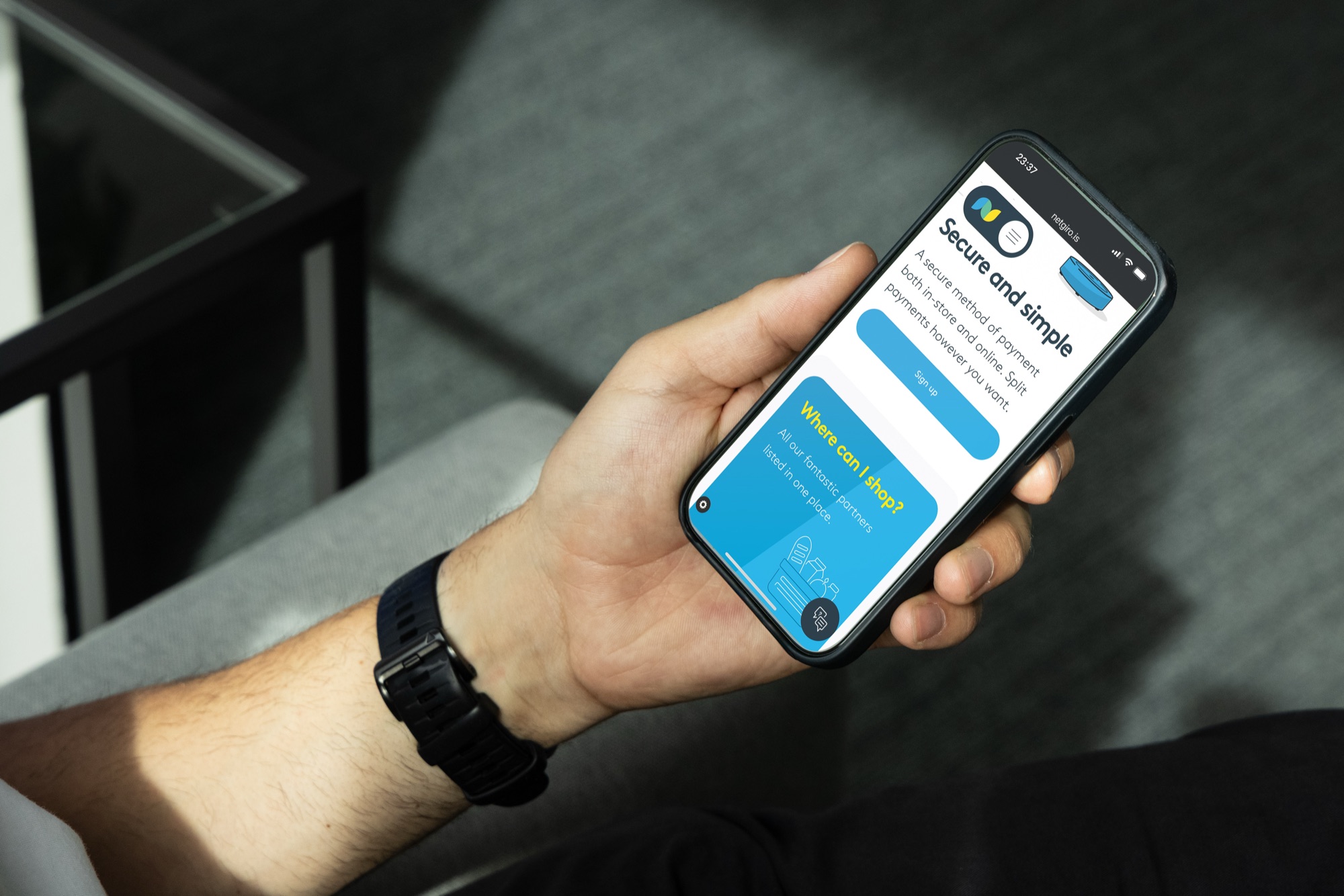
Web & Mobile
Netgíró — Iceland's national payment method
Iceland's leading buy now, pay later platform — built and scaled over more than a decade of partnership.
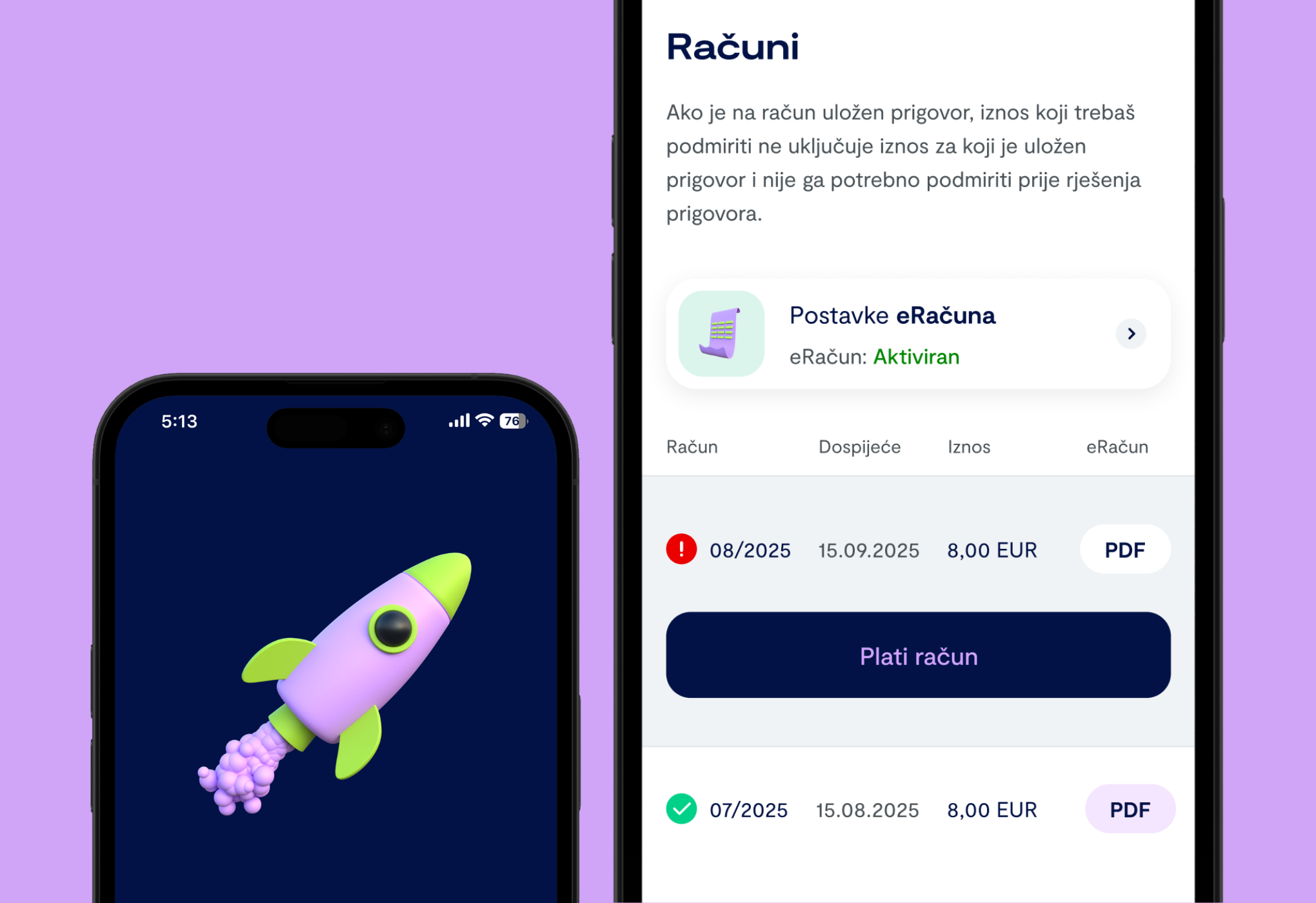
Mobile
Croatian telco — Accessible mobile app
A Croatian operator's self-service app, rebuilt in Flutter — one codebase across iOS and Android, designed to WCAG AA and tested with the screen readers people actually use.

Web
Hópkaup — Icelandic deals and offers website
A redesigned storefront built in Next.js, with checkout, sign-in and a BI dashboard behind it — the core system the business runs on.